What Is a Plumber’s Auger?
The plumber’s auger is a metal cable coiled around a handle. The end of the cable is designed to dislodge or attach itself to obstructions, allowing you to draw them out or push them through the drain.
There are several types of augers:
-
Handheld drain auger: Ideal for sinks and tubs.
-
Closet (toilet) auger: Specifically designed for toilets.
-
Motorized auger: Used for tough and deep drain lines.
For most household uses, a handheld or toilet auger will suffice.
When Should You Use a Plumber’s Auger?
You should consider using a plumber’s auger when:
-
Water does not drain quickly or at all.
-
A plunger hasn’t worked.
-
You suspect a deeper clog in the drain.
-
You want to avoid harsh chemicals.
Common places to use an auger include:
-
Bathroom sinks
-
Kitchen sinks
-
Bathtubs and showers
-
Toilets
What You’ll Need
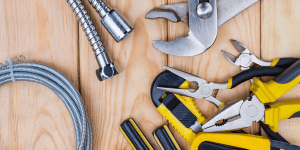
Before getting started, gather these tools and materials:
-
Manual or toilet type plumber auger
-
A bucket or old towels
-
Rubber gloves
-
Flashlight (optional)
-
Wrench (not compulsory for sink traps)
Safety Tips Before You Begin
Using an auger is generally safe, but here are some precautions to follow:
-
Wear gloves to protect your hands from viruses or rough particles.
-
Avoid excessive force when pushing the cable to prevent damage to your pipes.
-
Familiarize yourself with the plumbing system; older pipes may be more fragile.
-
Unplug all electrical devices around the sink or tub while working with water.
How to Use a Handheld Drain Auger (For Sinks & Tubs)
Step 1: Remove the Drain Cover
For sinks and tubs, remove the drain stopper or cover. A screwdriver may be needed depending on the fixture type. Use a flashlight to examine the depth of the clog.
Step 2: Insert the Auger Cable
Insert the end of the auger cable into the drain. Push it in gradually while turning the handle clockwise. This helps the cable twist and navigate through the pipes.
Tip: Take your time when maneuvering around bends in the pipe.
Step 3: Feel for Resistance
You will notice resistance after some time when turning the handle; this likely indicates an obstruction.
When this happens:
-
Continue turning to loosen the clog.
-
Pull back and push forward.
-
Repeat this motion until the clog is either hooked or pushed through.
Step 4: Retrieve the Cable
Once you feel the clog is clear, carefully pull the cable out. There may be debris, hair, or gunk on the end of the auger. Wipe it off with your gloves into a bucket or trash bag.
Step 5: Flush the Drain
Turn on hot water for a few minutes to wash out any remaining residue in the drain. Finally, replace the drain cover.

How to Use a Toilet Auger
Toilet clogs are common, but using a toilet-specific auger is crucial to avoid damaging the porcelain bowl.
Step 1: Insert the Auger into the Bowl
Insert the rubber elbow of the auger into the toilet bowl. This section protects the porcelain from scratches.
Step 2: Extend the Cable
Turn the handle to push the cable up the toilet trap. You will feel resistance as it meets the clog.
Step 3: Break Up the Clog
Rotate the handle up and down while maintaining light pressure. This action will either loosen the clog or hook it for removal.
Step 4: Pull Out the Auger
After successfully removing the clog, retract the cable into the handle and take the auger out of the toilet bowl.
Step 5: Test the Flush
Flush the toilet to check if the water drains properly. If it does, you’re all set!
What If the Auger Doesn’t Work?
If you’ve used an auger and the clog persists, it might be time to:
-
Try an extended or motorized auger.
-
Check the P-trap (for sinks).
-
Call a licensed plumber.
Tree roots, broken pipes, or deep clogs can be stubborn and may require professional tools for removal.
Cleaning and Storing Your Auger
After use, clean your auger to prevent rust and bacteria buildup:
-
Wash the cable with warm water.
-
Disinfect it thoroughly.
-
Allow it to dry completely before retracting it into the handle.
-
Store it in a cool place, out of reach of children.
Maintenance Tips to Prevent Future Clogs
Using an auger is helpful, but preventing clogs in the first place saves time and hassle. Here’s how:
-
Avoid pouring grease down kitchen drains.
-
Use hair catchers in bathroom sinks and tubs.
-
Only flush toilet paper down the toilet.
-
Always run hot water after using sinks to help keep pipes clear.
By following these guidelines, you can maintain a clear drainage system and avoid the headaches of blocked pipes. Understanding how to use a plumber’s auger effectively can save you time and money in the long run.