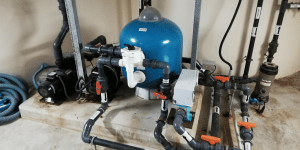
Commercial plumbing is a professional field of plumbing that deals with the installation, maintenance, and repair of commercial and industrial plumbing systems. These comprise of offices, schools, hospitals, restaurants, shopping centers, warehouses, and hotels among other non-residential premises.
Commercial plumbing systems are bigger and more complicated, unlike residential plumbing, used in small apartments or single-family homes, meant to support less usage. It is due to this that commercial plumbing needs special knowledge, tools, and experience.
This guide defines commercial plumbing, the way it functions, and the reason why it is necessary to businesses.
Understanding Commercial Plumbing
Commercial plumbing deals with the supply, drainage, and waste systems of buildings that have numerous inhabitants daily. Such systems have to meet very rigid safety, health, and building codes stipulated by local and federal authorities.
A commercial plumber is trained to deal with:
- High-capacity water systems
- Large-scale pipe networks
- Intense drainage and sewer networks
- Commercial grade fittings and appliances
Since downtime may have an impact on business activities, commercial plumbing services are often concerned with speed, reliability, and long-term performance.
How Commercial Plumbing Differs From Residential Plumbing
Although there are common principles in residential and commercial plumbing, the two differ greatly in magnitude and complexity.
System Size and Usage
Commercial plumbing systems may serve dozens up to thousands of people every day.
This means:
- Larger pipes
- Increased water pressure systems
- Durable fixtures used in high frequency
Building Structure
Commercial buildings usually have:
- Multiple floors
- Long pipe runs
- Individual bathrooms, kitchen, and utility rooms
These characteristics complicate the process of installation and repairs as compared to a normal home.
Code and Compliance
Commercial plumbing should observe:
- Local building codes
- State regulations
- Federal safety and accessibility requirements (including ADA requirements)
The inability to comply with these requirements may lead to fines, shutdowns, or prosecutions.
Types of Commercial Plumbing Systems
Commercial plumbing includes several interconnected systems that work together.
Water Supply Systems
These systems provide clean water in the building.
They are designed to handle:
- High water demand
- Uniform pressure in several levels
- Fire suppression systems with emergency water requirements
Drainage and Sewer Systems
The wastewater is safely and efficiently eliminated through drainage systems.
Business systems may involve:
- Floor drains
- Grease traps
- Large sewer connections
Adequate drainage is essential to avoid spillage, smells, and health risks.
Gas Plumbing Systems
Most commercial buildings utilize gas for:
- Cooking equipment
- Heating systems
- Water heaters
The plumbing of gases needs special licenses and high safety standards.
Common Commercial Plumbing Fixtures
Commercial plumbing involves the use of fixtures that are constructed to be durable and heavily used.
Restroom Fixtures
These include:
- Toilets and urinals (commercial grade)
- Touchless faucets
- High-capacity sinks
These are fixtures that are aimed at saving water but can withstand high usage.
Kitchen and Food Service Equipment
Dining establishments and cafeterias depend on:
- Industrial sinks
- Dishwashers
- Grease traps
The installation and maintenance must be appropriate to satisfy the health department standards.
Specialized Fixtures
There are distinct plumbing solutions that are needed in some facilities including:
- Medical grade hospital sinks
- School and research lab plumbing
- Wash stations in factories
- Plumbing services that are available commercially
There are many types of plumbing services provided by commercial plumbers to ensure business continuity.
Installation Services
These include:
- New construction plumbing
- Plumbing system upgrades
- Fixture installation
When it comes to installation, proper planning is beneficial to avoid future problems which are costly.
Maintenance Services
Regular maintenance prevents business plumbing systems crises.
Services often include:
- Pipe inspections
- Drain cleaning
- Leak detection
Routine repairs help to prolong plumbing systems.
Repair and Emergency Services
Commercial plumbers are fast to respond to problems when they arise, including:
- Burst pipes
- Sewer backups
- Water heater failures
Industries That Rely on Commercial Plumbing
Commercial plumbing plays a vital role in many industries include:
Healthcare Facilities
Clinics and hospitals need:
- Sterile water systems
- Reliable drainage
- Dedicated medical plumbing
Failure of plumbing in healthcare facilities can be dangerous to health.
Hospitality Industry
Plumbing is important to hotels and resorts for:
- Guest comfort
- Laundry services
- Food preparation
Customer satisfaction can be affected by even small problems with plumbing.
Retail and Office Buildings
Plumbing of office complexes and shopping centers should be effective to serve:
- Restrooms
- Break rooms
- Cleaning services
Properly maintained plumbing makes employees and customers comfortable.
Importance of Hiring a Licensed Commercial Plumber
Hiring a licensed commercial plumber is essential for any business.
Safety and Compliance
Certified plumbers are aware of:
- Local and state codes
- OSHA safety standards
- Environmental regulations
This ensures that work is done in a legal and safe manner.
Experience and Expertise
Commercial plumbers have worked with:
- Large-scale systems
- Advanced troubleshooting
- Specialized equipment
This knowledge eliminates the chances of making expensive errors.
Long-Term Cost Savings
Professional plumbing work:
- Prevents recurring issues
- Improves system efficiency
- Minimizes emergency repair expenses
Betting on proper service is a good short-term investment.
Common Commercial Plumbing Challenges
Plumbing systems that are used commercially have special challenges because of their size and usage.
High Water Demand
Heavy usage can strain pipes and fixtures, leading to:
- Leaks
- Pressure problems
- Increased wear and tear
Aging Infrastructure
Older buildings may have:
- Outdated piping materials
- Corrosion issues
- Inefficient layouts
It is common to require upgrades in order to match today’s modern standards.
Compliance and Inspections
Businesses should undergo periodic inspections.
Problems with plumbing may lead to:
- Failed inspections
- Business interruptions
- Expensive repairs
- Commercial plumbing future trends
Plumbing as a business is also developing to suit one’s current needs.
Water Efficiency
The practices embraced by many businesses include:
- Low-flow fixtures
- Smart water monitoring solutions
- Plumbing designs that are sustainable
These solutions will help in minimizing water waste and thus, utility bills are also minimized.
Smart Plumbing Technology
Advanced systems can:
- Detect leaks early
- Monitor water usage
- Enhance maintenance planning
Smart plumbing is used to assist businesses to work more efficiently.