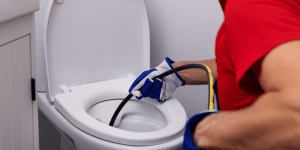
A sewer line blockage is one of the most frustrating plumbing problems a homeowner can face. Slow drains, foul odors, gurgling toilets, and even sewage backups can result from a clogged main sewer line. Repairs can be expensive, messy, and disruptive.
The good news? Most sewer line blockages are preventable with proper care and maintenance.
In this comprehensive guide, you’ll learn what causes sewer line clogs, how to prevent them, and when to call a professional plumber to protect your home’s plumbing system.
What Causes a Sewer Line Blockage?
It is important to know the causes of a sewer line blockage before learning how to prevent it.
Tree Root Intrusion
One of the causes of sewer line blockages is tree roots. The roots have a natural tendency to grow towards the moisture. Roots can also be attracted by small cracks in underground pipes, and thus, grow in the pipes, intercepting water flow.
Grease and Fat Buildup
It might seem harmless to pour cooking grease, fats, and oils down the drain, but they harden in the pipes. This accumulation causes the pipe to become narrower with time, and it traps debris that eventually causes the sewer line to become clogged.
Flushing Non-Flushable Items
Items such as paper towels, wipes (even those labeled “flushable”), feminine hygiene products, and cotton swabs do not break down like toilet paper. These materials accumulate in pipes and create blockages.
Pipe Damage or Aging
Older houses can be equipped with clay, cast iron, or Orangeburg pipes which decay over time. The wastewater flow may be limited by cracks, collapses, or corrosion, which may lead to sewer line issues.
Food Waste in Kitchen Drains
Your garbage disposal does not mean that you should put all food down the drain. Sewer lines may be clogged by fibrous foods, coffee grounds, and eggshells.
Understanding these causes is the first step toward effective prevention.
How to Prevent a Sewer Line Blockage
To avoid a sewer line blockage, proper habits and regular maintenance are needed. The following are some of the effective strategies that have been tested and proven to maintain a smooth-running sewer line.
Be Careful What Goes Down the Drain
This is one of the easiest methods of ensuring that sewer lines do not get clogged due to the things that you flush and wash down the drains.
In the Bathroom:
- Only flush toilet paper
- Flushing wipes (even flushable wipes) is not encouraged
- Do not flush hygiene products, paper towels, or dental floss
In the Kitchen:
- Pour excess grease into a sealed container rather than pouring the grease down the sink
- Put food scraps in the trash, and scrape off dishes before hand washing
- Do not place foods with fibrous or starchy contents in the garbage disposal
Small daily habits can significantly reduce the risk of a sewer line blockage.
Install Drain Strainers and Screens
Drain strainers are cheap devices that can be used to prevent hair, food, and debris from getting into the plumbing system.
Use:
- Kitchen sink mesh strainers
- Shower drains with hair catchers
- Bathroom sink stoppers
This prevents accumulation of debris in your pipes.
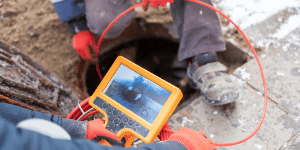
Schedule Regular Professional Inspections
Plumbing inspections should be done on a regular basis to detect minor problems before they escalate into serious sewer line problems.
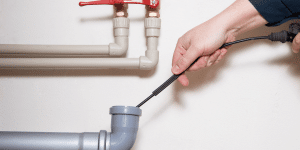
Camera inspection technology can be utilized by a licensed plumber to inspect:
- Tree root intrusion
- Pipe cracks or corrosion
- Early signs of buildup
It is much less expensive to prevent issues with constant maintenance than to repair the sewer in an emergency.
Manage Tree Growth Around Sewer Lines
Roots of trees are tenacious and strong. When you have big trees surrounding your home, the roots of the trees may expand to sewer pipes that are underground.
To prevent root-related sewer line blockages:
- Do not plant trees near sewer lines
- Select slow growing tree species
- Have roots checked in case of frequent drainage troubles
When root intrusion is detected at an early stage, plumbers will be able to manage the roots before they cause serious damage.
Use Enzyme-Based Drain Cleaners
Pipes may be damaged in the long run by the chemical drain cleaners. Rather, think of drains cleaners that are enzyme-based. These products make use of natural bacteria to decompose organic material in pipes.
They are:
- Safer for pipes
- Environmentally friendly
- Good in regular servicing
Flush Your Drains with Hot Water
Hot (but not boiling) water can also be used down kitchen drains once a week to dissolve the grease and soap deposits.
This is a basic maintenance trick that prevents the formation of minor residue in pipes.
For best results:
- Allow hot water to run some minutes after washing dishes
- Do not use hot water with chemical cleaners
Address Slow Drains Immediately
The initial symptom of a sewer line obstruction is the presence of slow drains.
If you notice any of the following, act quickly:
- Gurgling sounds in toilets
- Several outlets concurrently congested
- Ponding of water around floor drains
A total sewer overflow can be avoided by early intervention.
Warning Signs of a Main Sewer Line Blockage
Being aware of the symptoms of a blocked sewer line will allow you to act fast so the situation does not get worse.
The typical warning signs are:
- Sewage odors inside the home
- Water rising in the shower during toilet flushing
- Bubbling noises from drains
- Frequent toilet clogs
- Standing water in floor drains of basement floors
When the problem involves several plumbing fixtures at the same time, then it is probably not a single drain but the main sewer line.
When to Call a Professional Plumber
Although simple maintenance can stop a lot of sewer line blockages, there are problems that are beyond the capability of the average person to fix.
Call a plumber if you experience:
- Clogs that keep on reoccurring even after cleaning
- Sewage overflowing in your house
- Persistent foul odors
- Sudden lawn wet spots or sinkholes
Professional services may include hydro jetting, sewer camera inspections, or pipe repair. In severe cases, trenchless sewer repair may be necessary to restore proper flow without extensive excavation.
Ignoring the issue may result in expensive damage of properties as well as health risks.
Long-Term Sewer Line Maintenance Tips
In order to maintain your sewer system in good long-lasting condition:
- Schedule inspections every 1–2 years
- Maintain detailed records of plumbing
- Do not use strong chemical drain cleaners
- Train household members on how to flush
- Consider installing a backwater valve to prevent sewage backups during heavy rainfall
Consistent care protects both your plumbing system and your property value.