Clogged drains and slow-moving pipes are common problems in homes and businesses across the United States. From kitchen grease buildup to tree roots invading sewer lines, traditional drain cleaning methods don’t always provide a long-term solution. That’s where hydro jetting comes in.
Hydro jetting is a powerful, professional plumbing technique that uses high-pressure water to clean pipes thoroughly. In this article, we’ll break down how hydro jetting works, when it’s used, its benefits, and why it’s becoming a popular choice for American homeowners and businesses.
What Is Hydro Jetting?
Hydro jetting is a plumbing method that uses high-pressure streams of water to remove blockages, debris, grease, mineral buildup, and even tree roots from pipes. Unlike snaking or chemical cleaners, hydro jetting cleans the entire interior surface of the pipe, not just a small section.
Professional plumbers typically use specialized hydro jetting machines that can spray water at pressures ranging from 1,500 to over 4,000 PSI (pounds per square inch), depending on the pipe material and severity of the clog.
How Does Hydro Jetting Work Step by Step?
Initial Pipe Inspection
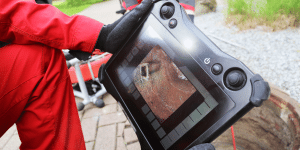
Prior to the commencement of the hydro jetting, the plumbers normally conduct a video camera inspection of the pipes.
In the drain, a small waterproof camera is placed in order to:
- Identify the type of clog
- Locate its exact position
- Test the status of pipes.
This step is especially important for older homes in the U.S., where pipes may be made of clay, cast iron, or aging PVC.
Selecting the Right Water Pressure
Not all pipes can handle the same pressure.
After inspection, the plumber determines the appropriate water pressure based on:
- Pipe material
- Pipe diameter
- Level of blockage
- Existence of tree roots or grease.
This makes the pipes to be cleaned in a safe manner without harm.
Inserting the Hydro Jetting Hose
A specialized hose with a multi-directional nozzle is inserted into the pipe.
The nozzle sprays water both forward and backward:
- Clogs are broken up by forward jets.
- Backward jets assist in pushing the debris out and help in moving the hose through the pipe.
High-Pressure Water Cleans the Pipe
When this is activated, the machine discharges high streams of water that:
- Destroy grease, sludge, and soap scum.
- Cut through tree roots
- Eliminate mineral scale and sediment.
- Wipe the gunk out of the system.
Hydro jetting also reinstates the pipe to almost original status unlike drain snakes that drilled holes through clogs.
Final Inspection and Testing
Once hydro jetting has been done, plumbers could carry out a second camera examination to ensure that the pipes have been completely cleaned. Water is then passed through the system to guarantee smooth and fast draining.
What Types of Clogs Can Hydro Jetting Remove?
Hydro jetting can be used in a large variety of plumbing issues including:
Grease Buildup
Grease is common in the kitchens and may be hardened in the pipes after a period of time. Hydro jetting does not push the grease deeper as it removes it.
Tree Roots
Root intrusion is common in old sewer pipes in the suburbs. Medium and small roots can be cut safely with high-pressure water.
Soap and Detergent Residue
Soap scum commonly builds up in the laundry and bath drains making the pipes smaller. These layers are cleared using hydro jetting.
Mineral and Scale Deposits
In most areas of the U.S., there is hard water, which is removed by hydro jetting that eliminates calcium and lime deposits that decrease the flow of water.
Commercial Debris
Hydro jetting is commonly used in restaurants, apartment buildings and offices to maintain large plumbing systems which have to be clean and meet the health code requirements.
How Is Hydro Jetting Different From Traditional Drain Cleaning?
Hydro Jetting vs. Drain Snaking
| Feature | Hydro Jetting | Drain Snaking |
| Cleaning Depth | Full pipe cleaning | Partial |
| Effectiveness | Long-lasting | Temporary |
| Grease Removal | Excellent | Limited |
| Eco-Friendly | Yes (water only) | Sometimes chemical-based |
Drain snakes are applied in small clogs, whereas hydro jetting offers a long-term and deep solution.
Hydro Jetting vs. Chemical Cleaners
Chemical drain cleaners may damage the pipes, may harm the environment and sometimes it is not effective on serious clogs. Hydro jetting involves the use of plain water and thus it is safer and environmentally friendly.
Is Hydro Jetting Safe for Your Pipes?
Hydro jetting is safe to most current plumbing systems when carried out by a licensed professional.
It might not however be suitable in:
- Pipes which are severely damaged or collapsed.
- Old, delicate, uninspected clay pipes.
That is why it is important to evaluate professionally before doing it.
Benefits of Hydro Jetting for Homes and Businesses
Long-Lasting Results
Hydro jetting cleanses away all the accumulation and chances of again clogging are reduced.
Environmentally Friendly
There are no chemicals involved, only pure, high-pressure water.
Improves Pipe Efficiency
The free flow of water is possible in clean pipes, and this enhances the performance of plumbing in general.
Cost-Effective Over Time
Hydro jetting can be more expensive in the short run, but it will save later plumbing bills and emergency calls.
Ideal for Preventive Maintenance
Hydro jetting is common among many homeowners and commercial property managers as a routine plumbing maintenance.
When Should You Consider Hydro Jetting?
You may want to consider hydro jetting if:
- You have a tendency to have clogged drains.
- There is slow water drainage in the house.
- It has repetitive sewer overflows.
- Your home has older plumbing.
- You are a restaurant or a business owner.
The hydro jetting is very effective in the regions that are densely covered with trees or have hard water.
How Much Does Hydro Jetting Cost in the U.S.?
In the US, the average price of hydro jetting is between 300 and 800 dollars based on:
- Severity of the clog
- Pipe length and diameter
- Location (residential or commercial)
- The sewer line should be made accessible.
Although the price might be higher than the basic drain cleaner, the benefits can always be felt in the long-term.