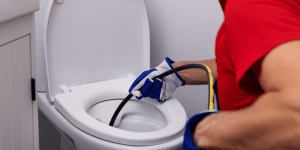
Plumbing accidents are not very convenient. A leaking pipe in the middle of the night, a toilet overflow on a vacation or a sewer overflow on the weekend can easily become a stressful and costly experience. The first question that people ask when they are homeowners is: How much does an emergency plumber cost?
In this guide, we’ll break down emergency plumbing costs in the United States, explain what factors affect pricing, and help you understand what you’re paying for—so there are no surprises when you need urgent help.
What Is an Emergency Plumber?
An emergency plumber is a certified worker that offers urgent plumbing services when the business is not operational. This covers nights, weekends, holidays and cases where postponement of repair may be a big source of property damage or health hazards.
Common Plumbing Emergencies
- Burst or leaking pipes
- Sewer line backups
- Overflowing toilets
- No running water
- Water heater failures
- Gas line issues
- Major drain clogs
An emergency is deemed to be a problem which cannot be postponed until the normal business hours.
Average Cost of an Emergency Plumber
In the United States, emergency plumbing services typically cost between $150 and $500 or more, depending on the situation.
Typical Price Ranges
Emergency service call fee: $450-800
Hourly labor rate: $300-$500 per hour
Minor emergency repairs: $325-$500
Major emergency repairs: $500+
For example, a plumber who would charge at a rate of $180 per hour on a day basis would charge at a higher rate of $300 or above per hour in case of emergency calls at night.
The complexity of the issue plays a major role in pricing.
Factors That Affect Emergency Plumbing Costs
Several factors influence how much you’ll pay for an emergency plumber.
Time of Service
The cost of emergency plumbing is more expensive in:
- Late nights
- Weekends
- Holidays
For example, a plumber who would charge at a rate of $100 per hour on a day basis would charge at a higher rate of $200 or above per hour in case of emergency calls at night.
Type of Plumbing Problem
The complexity of the issue plays a major role in pricing.
| Plumbing Issue | Estimated Emergency Cost |
| Clogged drain | $600-$2,000 |
| Burst pipe | $400–$1,500 |
| Sewer backup | $500–$2,000+ |
| Water heater repair | $1000–$5,000 |
| Gas line repair | $500–$3,000+ |
Simple fixes cost less, while problems requiring extensive labor or equipment cost more.
Location Within the U.S.
Plumbing rates in the case of an emergency are dependent on location:
Big cities (New York, Los Angeles, Chicago): More rates.
Suburbs: Medium rates.
Rural locations: Less expensive, however, travel charges might be charged.
Pricing is greatly influenced by local cost of living and demand.
Severity of the Damage
In case the walls, floors, or ceilings have been already damaged by water, it would cost more to repair.
Emergencies that are severe may also demand:
- Pipe replacement
- Water extraction
- Mold prevention
These are the extra services which make the costs more.
Materials and Replacement Parts
Emergency plumbers may need to replace parts such as:
- Pipes
- Valves
- Water heaters
- Sewer components.
Specialty or high-quality parts are pricier and emergency availability can also influence the costs.
Emergency Plumbing Call-Out Fees Explained
Most emergency plumbers charge a call-out or service fee, which covers:
- Immediate response
- Travel to your location
- Primary examination and diagnosis.
This charge usually varies between 100 and 250 dollars and is usually not included in the labor and materials.
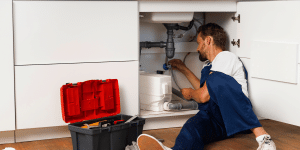
Emergency Plumbing Costs vs. Regular Plumbing Costs
| Service Type | Average Cost |
| Regular plumbing (business hours) | $185–$350 per hour |
| Emergency plumbing | $300–$550 per hour |
While emergency plumbing costs more upfront, delaying urgent repairs can lead to thousands of dollars in property damage, making emergency service the smarter choice in many cases.
Is Emergency Plumbing Covered by Homeowners Insurance?
In some cases, homeowner’s insurance may cover plumbing emergencies, but it depends on the cause.
Usually Covered:
- Sudden pipe bursts
- Accidental water damage
- Sudden malfunctions of appliances.
Usually Not Covered:
- Poor maintenance
- Old or corroded pipes
- Gradual leaks
Always inspect your policy and take photos of the damage before they start repairing.
How to Reduce Emergency Plumbing Costs
While you can’t always avoid emergencies, you can reduce costs by taking preventive steps.
Preventive Tips
- Have plumbing checked on a regular basis.
- Pipe insulation should be done prior to winter.
- Do not flush anything that is not flushable.
- Fix minor leaks early.
- Know the location of the main water shut-off valve.
Immediate response in case of an emergency will also reduce the losses and cut down on the repair expenses.
How to Choose the Right Emergency Plumber
One should not simply select any emergency plumber when one is in need of an emergency plumber.
What to Look For
- Certified and licensed workers
- Clear, upfront pricing
- 24/7 availability
- Positive customer reviews.
- Estimates should be in writing where feasible.
Avoid plumbers who refuse to provide pricing details or pressure you into unnecessary repairs.
Is an Emergency Plumber Worth the Cost?
Yes—when the situation is urgent.
Plumbing emergencies can cause:
- Structural damage
- Mold growth
- Health hazards
- More expensive costs of repair in case of delay.
You might not feel like spending a lot of money to hire an emergency plumber, yet you will save a lot by avoiding additional damage in the end.