One of the most effective methods of preventing unforeseen repair and costly crisis is maintenance of your plumbing system at home. Although most homeowners stay up to date with maintenance activities such as drain cleaning, water heater repair, and other activities, sewer line cleaning is not always considered. Your primary sewer line is important in transporting wastewater out of your house, and when it is not taken care of, the consequences could be dirty, stinky, and expensive.
How often should we be cleaning the sewer lines? In short: about once every 18 to 22 months per average home–but there are a number of factors that can alter that timeframe. This guide describes the frequency of cleaning your sewer lines, factors that influence that frequency, indications that your line requires maintenance, and what to do to ensure that your sewer line continues to serve you.
Why Sewer Line Cleaning Matters
The sewer line of your home is the primary pipe that links all indoor drains to the city sewer or your septic tank. With the clogging or destruction of this pipe, there is no place where wastewater can be directed. It is then that you begin to notice such things as slow drains, backups, bad smells, or even sewage coming up through toilets or tubs.
Routine sewer line cleaning:
- Prevents major blockages
- Minimizes emergency back-up risks
- Prolongs the lifespan of your plumbing
- Helps detect any early problems like tree root intrusion or corrosion of pipes
- Spares you the cost of repairs and clean-up
It is not just an option to maintain the sewer on a regular basis, but it is necessary.
How Often Should Sewer Lines Be Cleaned?
General Recommendation: Every 18–22 Months
Most plumbers suggest cleaning your sewer line after every 1.5 to 2 years. This plan is convenient for a typical American family that has normal usage and no significant risk factors.
Nevertheless, in some cases, more frequent clean up can be required.
Factors That Affect Cleaning Frequency
Age of Your Home
Sewer lines in older houses, and particularly those that were constructed prior to 1970s, are usually comprised of clay, cast iron, or Orangeburg pipe. These materials have short life cycles, and they tend to crack, corrode, and can be taken over by roots.
When your house is over 50 years old, you may need to clean the sewer after every 12-18 months.
Presence of Trees and Roots
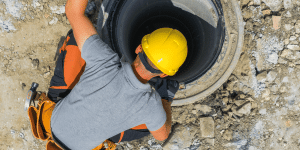
One of the most widespread causes of a sewer line clog is tree roots. Roots tend to find moisture, and your sewer line is an absolute dream. Even the smallest cracks in the pipe could allow roots to enter it to grow and block the full line.
For large trees or shrubs near your sewer line, you must make an appointment within a year.
Number of People in Your Household
The more people there are, the more water will be used, the more waste will be generated, and the more stress that will be placed on your plumbing. Big families or high turnover rentals require more frequent cleaning.
Households that have four or more occupants tend to need cleaning every 12-18 months compared to every 2 years.
Type of Sewer System
Septic system homes can require greater cleaning and inspection based on the capacity of the tank and the health of the drainage field.
Connection of city sewer is generally less serious in terms of maintenance; however, cleaning is required frequently.
History of Sewer Problems
- Previous backups
- Frequent slow drains
- Recurring clogs
- Root issues
- Pipe repairs
If any of the above describe your situation, then you should clean once or twice a year if a plumber advises.
Signs Your Sewer Line Needs Cleaning Now
Although you may be on a routine schedule, you should pay attention to warning signs that a sewer line requires urgent attention.
Slow Drains Throughout the Home
When only one sink is slow, then it probably has a localized clog. However, when all the drains are slow, then it is likely that your main sewer line is the problem.
Gurgling Sounds
Big red flags that indicate that wastewater is not flowing properly include bubbling or gurgling sounds within toilets, showers, or sinks.
Frequent Toilet Clogs
It is quite common when a toilet gets clogged every now and then; however, when it becomes a habitual occurrence, then it may be an indication that there is a blockage in the sewer line.
Sewage Odors
It is not normal to smell sewage either indoors or outdoors. Bad smells normally signify some obstruction or break in the sewer pipe.
Backups in Lower Drains
When you flush the toilet and the water fills up in the shower or tub, then your sewer line has been certainly blocked.
Lush, Green Patches in Your Yard
Wastewater might be leaking underground; this may be indicated by extra-green or soggy areas in your yard. Once you observe any of these, you should have professional cleaning immediately to prevent pipe destruction.
What Happens During a Sewer Line Cleaning?
There are two approaches that are usually used by professional plumbers:
Hydro Jetting
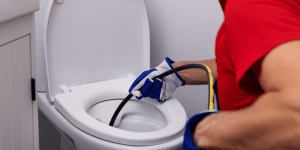
This entails using high-pressure water to clean the sewer line to eliminate grease, debris, roots, and accumulation. Hydro jetting is very efficient, and leaves your line clean.
Mechanical Snaking
This technique involves a cable that has a rotating blade cutting through clogs and tree roots. It is good in clearing blockages but might not work as well as hydro jetting in terms of mitigating tough clogs.
Tips to Keep Sewer Lines Clean Longer
As much as it is necessary to have your sewer line professionally cleaned on a regular basis, some little daily adjustments will keep your sewer line flowing freely.
Don’t Flush Problem Items
Avoid flushing:
- Wipes (even “flushable” ones)
- Paper towels
- Feminine products
- Cotton balls
- Dental floss
- Q-tips
These products are not easily degradable, and they create clogs.
Watch What Goes Down the Kitchen Sink
The largest offenders are grease and oil. They solidify in the pipe and entrap debris.
Always dispose of:
- Bacon grease
- Cooking oil
- Butter
- Sauces
…in the trash–not the sink.
Use Drain Screens
Drain screens will prevent hair, food particles, and debris from getting into your pipes.
When to Call a Professional
If you do not know how many times your sewer line needs to be cleaned, or if you notice any signs of trouble, call a licensed plumber. They can get a camera into your line and detect any problems and then suggest a maintenance schedule unique to your home.
Prevention is most important when it comes to mitigating costly emergencies such as sewer backups, water damage, and massive repairs.