Whenever the majority of the population is thinking about plumbers, they usually visualize a person repairing a broken tap or clearing a blocked drain in the house. Commercial plumbing is however a different game altogether. It is the installation, maintenance, and repair of plumbing systems of big buildings like offices, factories, hospitals, schools, and shopping centers. However, the big question is: is commercial plumbing hard work? What is it that makes this field challenging?
What is Commercial Plumbing?
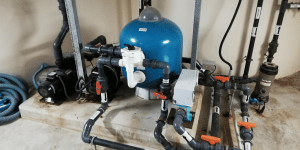
Before diving into the difficulty level, it’s important to understand what commercial plumbing actually entails. Unlike residential plumbing, which deals with individual homes, commercial plumbing deals with large-scale plumbing systems.
The major duties of a commercial plumber are:
- Installation and repair of high-capacity water, drainage systems and sewage systems.
- Dealing with heating and cooking lines and gas.
- Maintaining fire protection plumbing and sprinkler systems.
- Machinery repairs on plumbing-based machinery.
- Making sure that all work is in accordance with local building codes and regulations.
In short, commercial plumbing is not about fixing leaks, it is about working with complicated systems that have an impact on the safety and functionality of the whole building.
Physical Demands: Yes, It’s Hard Work
Commercial plumbing has been regarded as hard work due to the physical requirements. Plumbers end up wasting most of their time standing, bending, and lifting heavy pipes and equipment.
Heavy Lifting and Manual Labor
Commercial plumbing deals with transportation of large pipes, toolboxes and even parts of machinery. Commercial systems may need lifting equipment of hundreds of pounds (contrasting with residential plumbing, where fixtures tend to be smaller and lighter).
Long Hours and On-Call Work
A large number of commercial structures, in particular, hospitals and factories, are 24/7. It implies that commercial plumbers can be called upon to work odd hours such as night and weekends to rectify emergency problems.
Working in Tight Spaces
Commercial buildings also tend to have limited areas such as crawl space, ceilings or utility rooms. Plumbers might be forced to squeeze in and out of tight spaces to install or repair the pipes and this may be physically tiring.
Mental Challenges: Planning and Problem-Solving
Although the physical part is hard, the mental part of commercial plumbing is as well hard. The plumbing of each building is different and issues are not always easy and simple.
Reading Blueprints and Schematics
Commercial plumbers usually operate out of complicated blueprints and schematics. It is necessary to learn these diagrams in order to install or repair plumbing systems properly.
Diagnosing Complex Issues
Pressure imbalances, corroded pipes or faulty equipment may trigger a simple leak in a commercial building. Plumbers should be strong analytical to detect and solve the underlying issue.
Compliance with Regulations
The plumbers of business have to obey strict local, state, and federal rules. Errors may cost a lot of money, unsafe working conditions, or even lawsuits. This must be done with a keen and meticulousness.
Skills Required for Commercial Plumbing
It’s clear that commercial plumbing is hard work, but having the right skills can make it more manageable.

Here are some key skills for anyone considering this field:
Technical Skills
- Installation and repairs of pipes, valves and fixtures.
- Knowledge of water, gas and HVAC systems.
- The application of special tools and equipment.
Physical Skills
- Power and stamina in moving and transporting heavy materials.
- The ability to work in tight or awkward places.
Problem-Solving Skills
- Finding plumbing problems fast and easily.
- Managing and planning big projects effectively.
Communication Skills
- Liaising with contractors, building managers and inspectors.
- Being able to clarify problems and solutions to clients.
Comparing Commercial vs Residential Plumbing
Some people wonder if commercial plumbing is harder than residential plumbing. The answer is generally yes, but it depends on your perspective.
| Factor | Residential Plumbing | Commercial Plumbing |
| Scale of Work | Small houses | Large buildings |
| Complexity | Moderate | High |
| Physical Labor | Moderate | High |
| Knowledge of Codes | Basic | Advanced |
| Work Hours | Standard | May include nights/weekends |
| Equipment Size | Small fixtures | Large pipes & machinery |
As you will observe, commercial plumbing needs more strength, technical knowledge, and flexibility making it more difficult in general.
Rewards of Commercial Plumbing
Although commercial plumbing is not an easy task, it also has some advantages and payoffs.
Higher Pay
Due to the nature and extent of the job, commercial plumbers tend to earn more than residential plumbers. The salaries may vary widely based on experience, location and certifications, although they are usually high.
Job Stability
Commercial premises require plumbing services during the entire year. This provides a constant work force of qualified commercial plumbers hence it is a stable workforce.
Career Growth
A career in commercial plumbing frequently has career progression options to project management, inspection, or specialized industrial plumbing, which provide long-term career development.
Skill Development
Making plumbers work on large-scale systems assists them in building very technical skills that can be applied in other sectors, such as the HVAC and maintenance of industries.
Challenges Plumbers Should Be Ready For
Nevertheless, in spite of the pay, there are actual difficulties in commercial plumbing:
Physical work: Heavy lifting, extended hours and uncomfortable positions.
Problem solving under stress: When the problem is of high stakes, it may occur suddenly.
Strict regulations: Mistakes can be costly.
Unpredictable hours: The emergencies can demand working at night or during weekends.
These challenges make it clear that commercial plumbing is not an easy job—but for those who enjoy problem-solving, working with their hands, and tackling complex projects, it can be very rewarding.