Every residential or commercial building relies on plumbing fixtures for effective water supply and waste disposal. They are designed to be functional, durable, and often aesthetically pleasing, making any space more comfortable and convenient. Whether you are planning a renovation or a new project as a homeowner or contractor, understanding plumbing fixtures is essential. This article will explore the different types of plumbing fixtures, their functions, and their importance in today’s plumbing systems.
Understanding Plumbing Fixtures
Plumbing fixtures are the visible components of a plumbing system that connect to the water and drainage systems. They are strategically placed throughout a building to provide water for various needs and to manage wastewater effectively. These fixtures are typically secured to the structure and connected to the plumbing system via supply and waste pipes. Common types of plumbing fixtures include sinks, toilets, bathtubs, showers, faucets, and water heaters.
Key Features of Plumbing Fixtures
-
Durability: Plumbing fixtures are built to withstand wear and damage from water and other materials.
-
Functionality: Each fixture serves a specific purpose, such as providing water for washing or flushing.
-
Variety: Modern fixtures come in a wide range of styles and finishes to complement your home’s design.
-
Compliance: Plumbing fixtures must meet building codes and standards to ensure safety and efficiency.
Different Types of Plumbing Fixtures
Plumbing fixtures can be categorized based on their functions and locations within a structure.
1. Water Supply Fixtures
These fixtures are directly connected to the water supply and provide water for various purposes.
Sinks
Sinks are found in kitchens, bathrooms, and laundry rooms due to their versatility. Various styles are available, including drop-in, undermount, and pedestal sinks, each with unique advantages.
Faucets
Faucets control the flow of water from the pipes and are typically found in sinks, bathtubs, and showers. Options include single-handle, double-handle, and touchless faucets, all designed for ease of use.
Water Heaters
Water heaters supply hot water for showers, sinks, washing machines, and dishwashers. There are tank and tankless models, each with its own benefits and considerations.
2. Sanitary Fixtures
These fixtures support personal hygiene and waste management.
Toilets
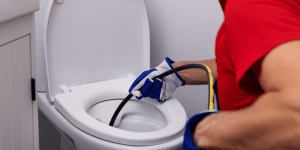
Toilets are essential in bathrooms for efficient waste removal. They come in various styles, including one-piece and two-piece models, with options for dual-flush or low-flow functionality to conserve water.
Bathtubs
Bathtubs provide a space for relaxation and come in various styles, sizes, and materials. Options include freestanding, alcove, or corner models to fit different bathroom layouts.
Showers
Showers offer a practical alternative to bathtubs. You can choose from simple stall versions to luxurious walk-in types, with options for rain, handheld, or digital showerheads to enhance your experience.
3. Appliance Fixtures
Appliance fixtures connect to the plumbing system to supply water to appliances.
Dishwashers
Dishwashers are connected to kitchen plumbing to facilitate dish cleaning. They link to both the water supply and drainage systems.
Washing Machines
Washing machines require plumbing connections for water input and wastewater disposal. They are commonly found in laundry rooms or basements.
Garbage Disposals
Garbage disposals are installed under kitchen sinks to grind food scraps, which are then rinsed away down the drain.
The Importance of Plumbing Fixtures
Plumbing fixtures significantly impact our quality of life and the efficiency of a building’s plumbing system.
Reasons Why Plumbing Fixtures Matter
1. Water Conservation
Modern plumbing fixtures are designed for water efficiency. Utilizing low-flow toilets, aerated faucets, and efficient showerheads helps conserve water and lower utility bills.
2. Health and Hygiene
Proper sanitary fixtures are crucial for maintaining hygiene and preventing the spread of diseases. They facilitate waste disposal and provide access to clean water for personal use.
3. Aesthetic Appeal
The visual appeal of a space is influenced by its plumbing fixtures. With a variety of styles, finishes, and designs available, fixtures can enhance the attractiveness of any bathroom, kitchen, or laundry room.
4. Regulatory Compliance
Adhering to local building codes and standards is essential for ensuring the safety and efficiency of plumbing systems. Plumbing fixtures must meet specific standards for legal installation and use.
Choosing the Right Plumbing Fixtures
When selecting plumbing fixtures, consider their functionality, aesthetics, budget, and compliance with local building regulations.
Tips for Making Informed Choices
Assess Your Needs
Determine the requirements of your space and what you expect from each fixture.
Prioritize Water Efficiency
Opt for fixtures that promote water conservation to save on utility costs.
Evaluate Durability
Choose fixtures that are robust and can withstand frequent use, given their exposure to water.
Select Your Style
Pick fixtures that complement the overall design and feel of your home.
Ensure Compliance
Verify that all fixtures meet local codes and standards.
Installation and Maintenance of Plumbing Fixtures
Proper installation and regular maintenance are crucial for ensuring the longevity and efficiency of plumbing fixtures. While some individuals may enjoy DIY projects, it is advisable to hire professionals for plumbing installations to ensure they are done correctly.
Maintenance Tips for Plumbing Fixtures
Regular Cleaning
Routine cleaning prevents grime and bacteria buildup on fixtures.
Inspect for Leaks
Regularly check for leaks and address them promptly to avoid water damage and waste.
Replace Worn Parts
When components like washers and cartridges wear out, consult a professional, such as Macary’s Plumbing, for advice on repairs or replacements to keep fixtures functioning properly.
Conclusion
Understanding plumbing fixtures is essential for homeowners and contractors alike. These components play a vital role in the efficiency and functionality of plumbing systems. By selecting the right fixtures and maintaining them properly, you can enhance the comfort and convenience of your space while ensuring compliance with local regulations.
For more information on plumbing fixtures and their installation, visit Macary’s Plumbing.